



The primary tumour
More than a local lesion
From a primary tumour, some cells may reach different tissues. Brain, lungs, liver and bone marrow represent possible destinations.
Possible destinations
A story that changes scale and state
Join us on a journey to understand what metastasis is and how we study it in the laboratory.
Dissemination does not mean metastasis. Persistence does not mean relapse. This story explains biological possibilities; it does not predict an individual's course.
The primary tumour
From a primary tumour, some cells may reach different tissues. Brain, lungs, liver and bone marrow represent possible destinations.
Possible destinations
Tumours transform the body
A tumour does not act in isolation. It releases signals that progressively transform the surrounding tissue, including the extracellular matrix, stroma and blood vessels.
Signals remodel the environment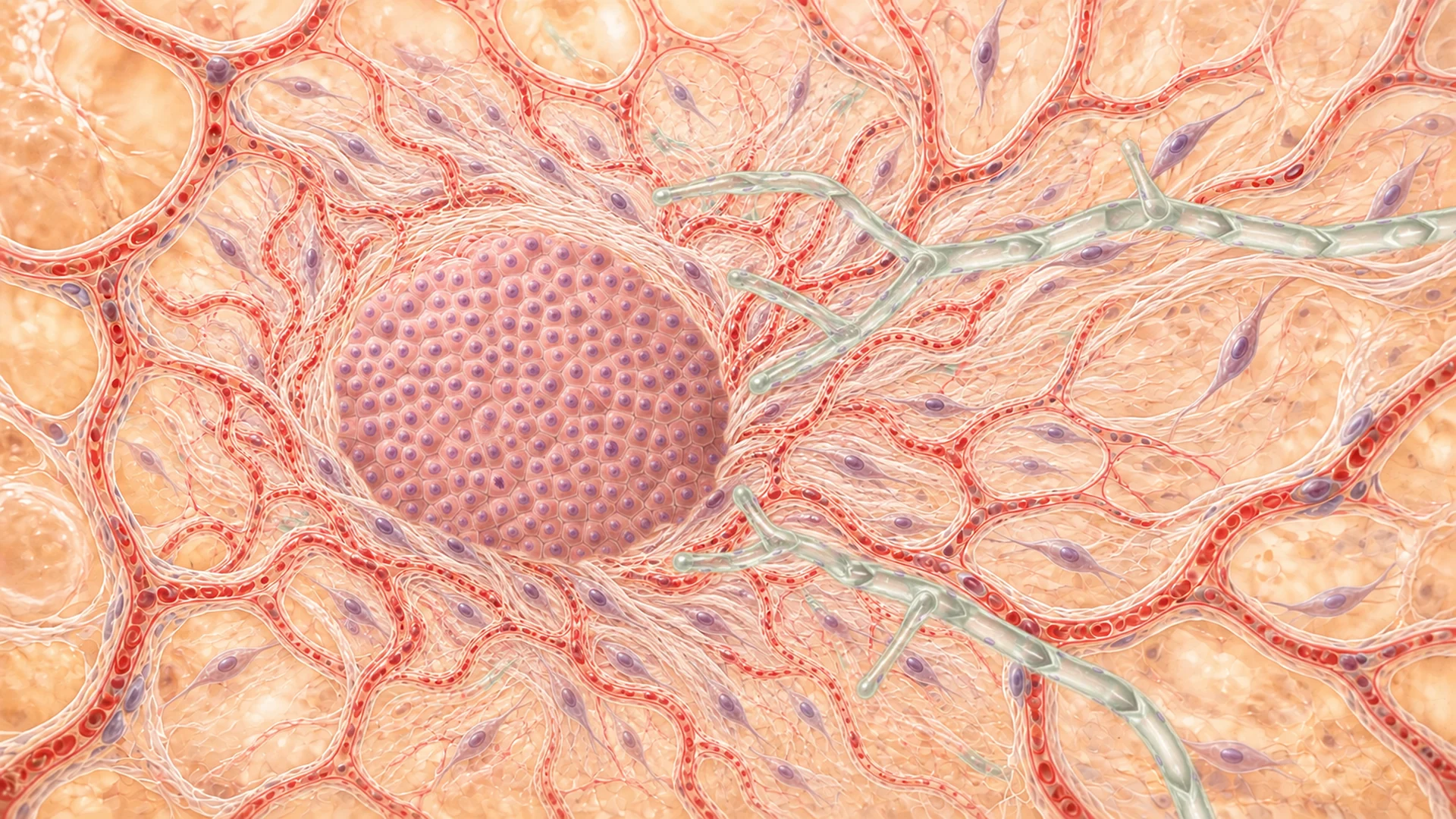
Changes affect the whole body
Signals released by the tumour can travel through the body and alter localized regions of distant organs before tumour cells arrive. In this way, pre-metastatic niches may form—environments that can support later steps of the metastatic process without determining that it will occur.
Distant sites are prepared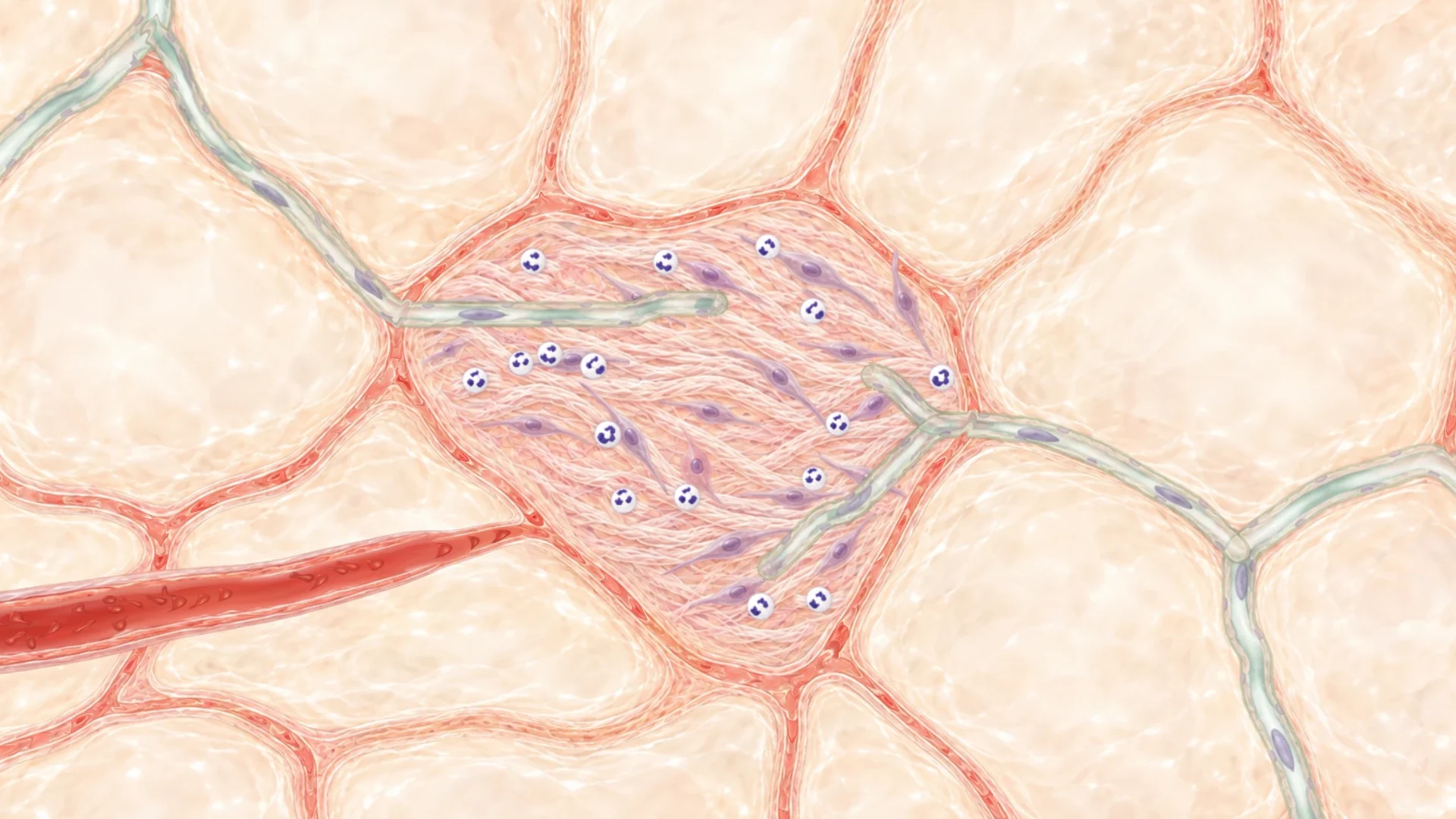
Cell in transit
Some cells may leave the tumour, enter the circulation and reach other tissues. Most of these journeys do not culminate in a metastatic lesion.
Moving is not colonising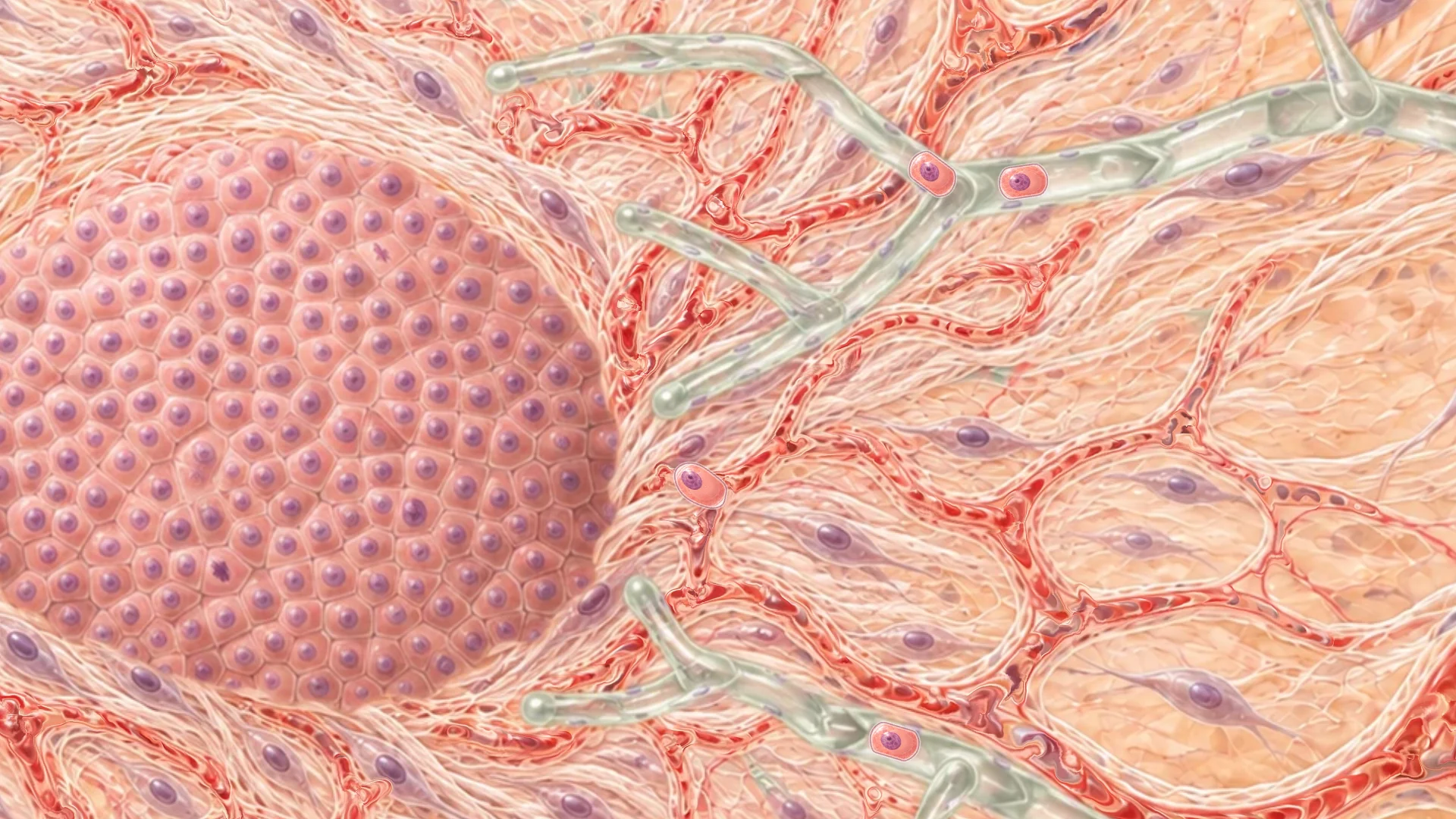
The pre-metastatic niche
When a tumour cell reaches a distant tissue, it does not encounter a neutral environment. Pre-metastatic niches are localized regions that have been altered before its arrival and may support its retention and survival.
The cell reaches the niche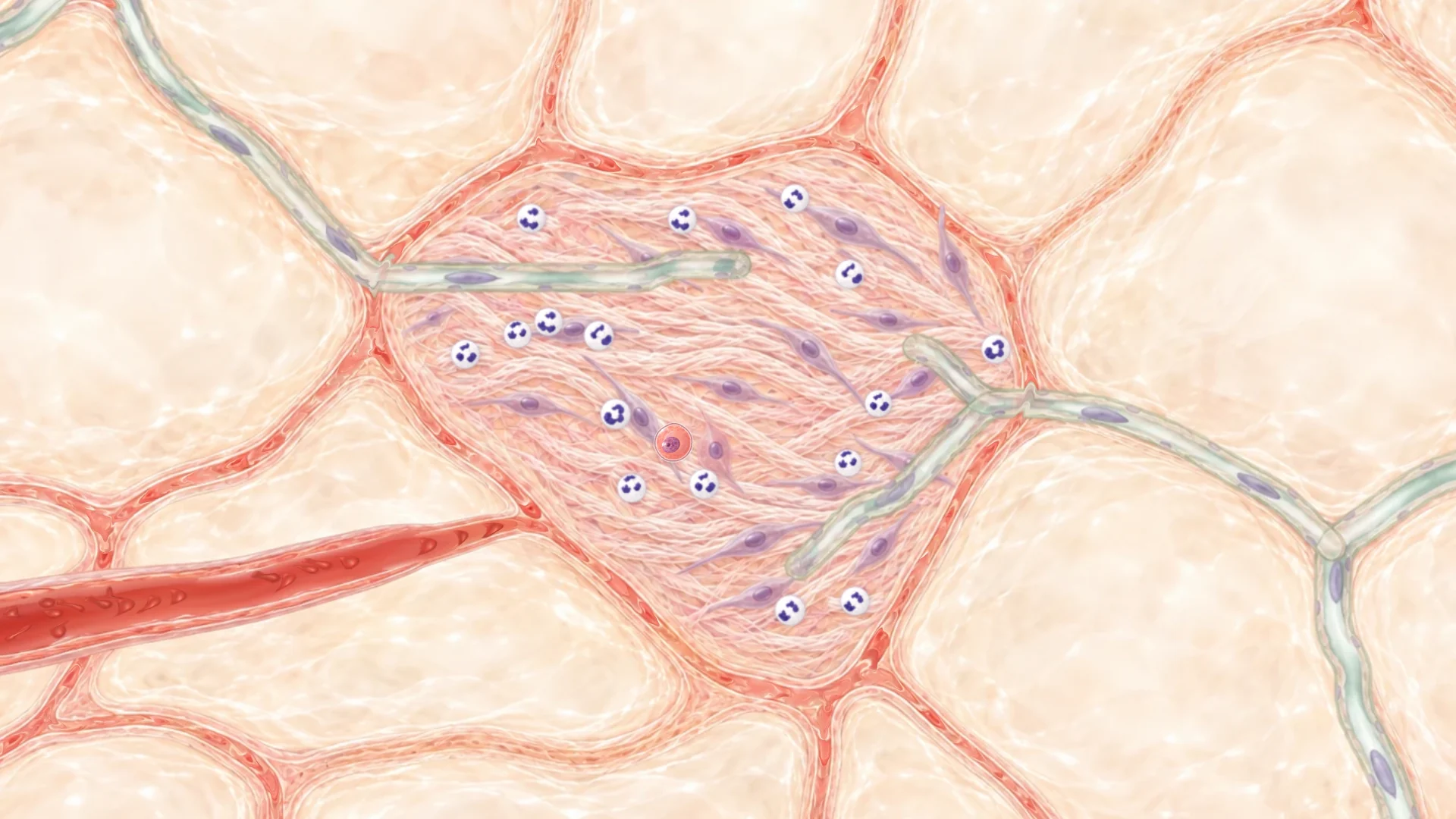
Treatment: cure or residual disease?
Treatment may eliminate the primary tumour and all detectable disease. However, some disseminated tumour cells may remain hidden in distant tissues without yet forming a visible lesion.
Disease may remain hidden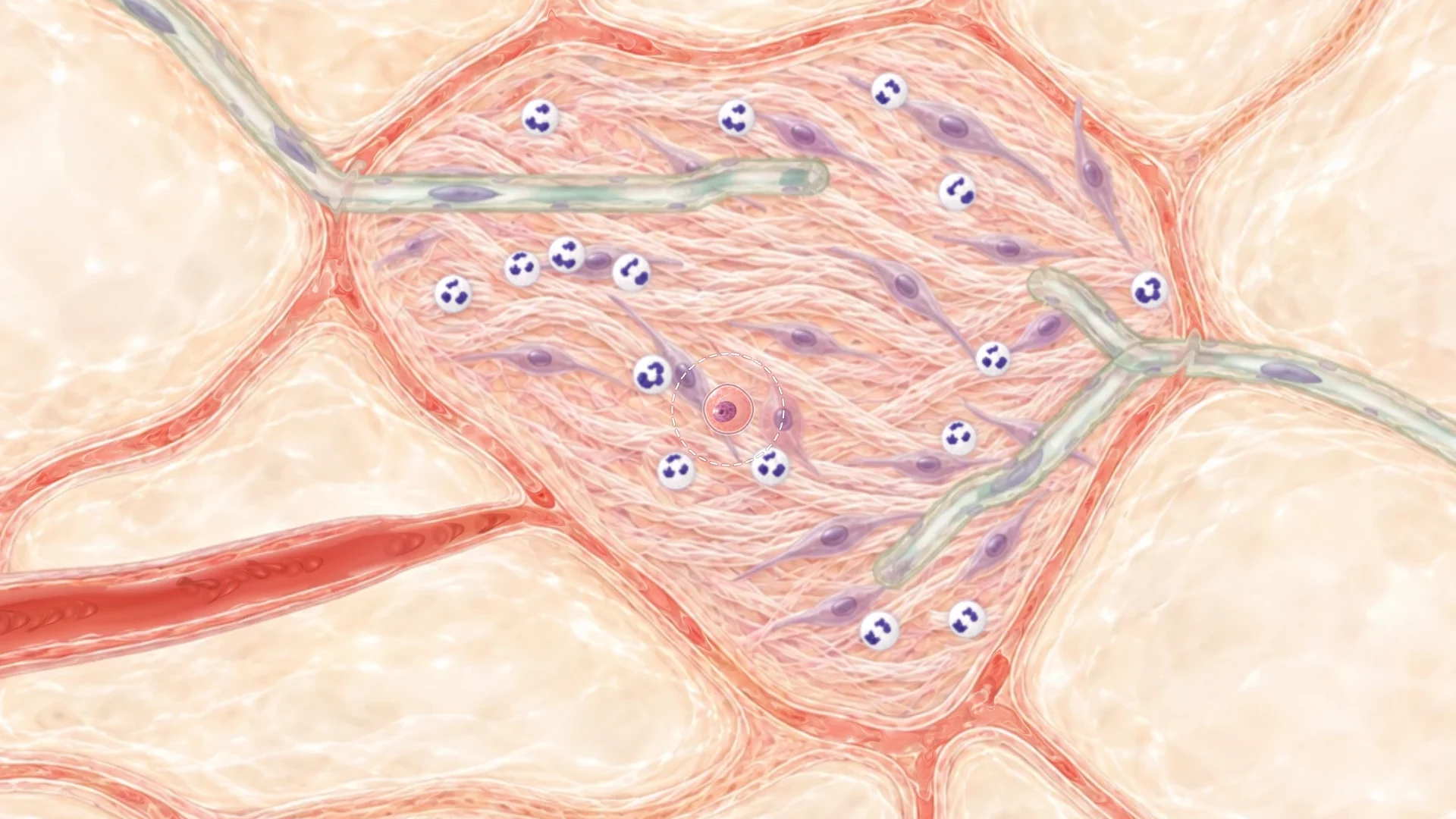
Latency
The niche surrounding disseminated tumour cells may support their survival and protect them from treatment and immune responses. This interaction may help them remain in a latent state.
Protection and persistence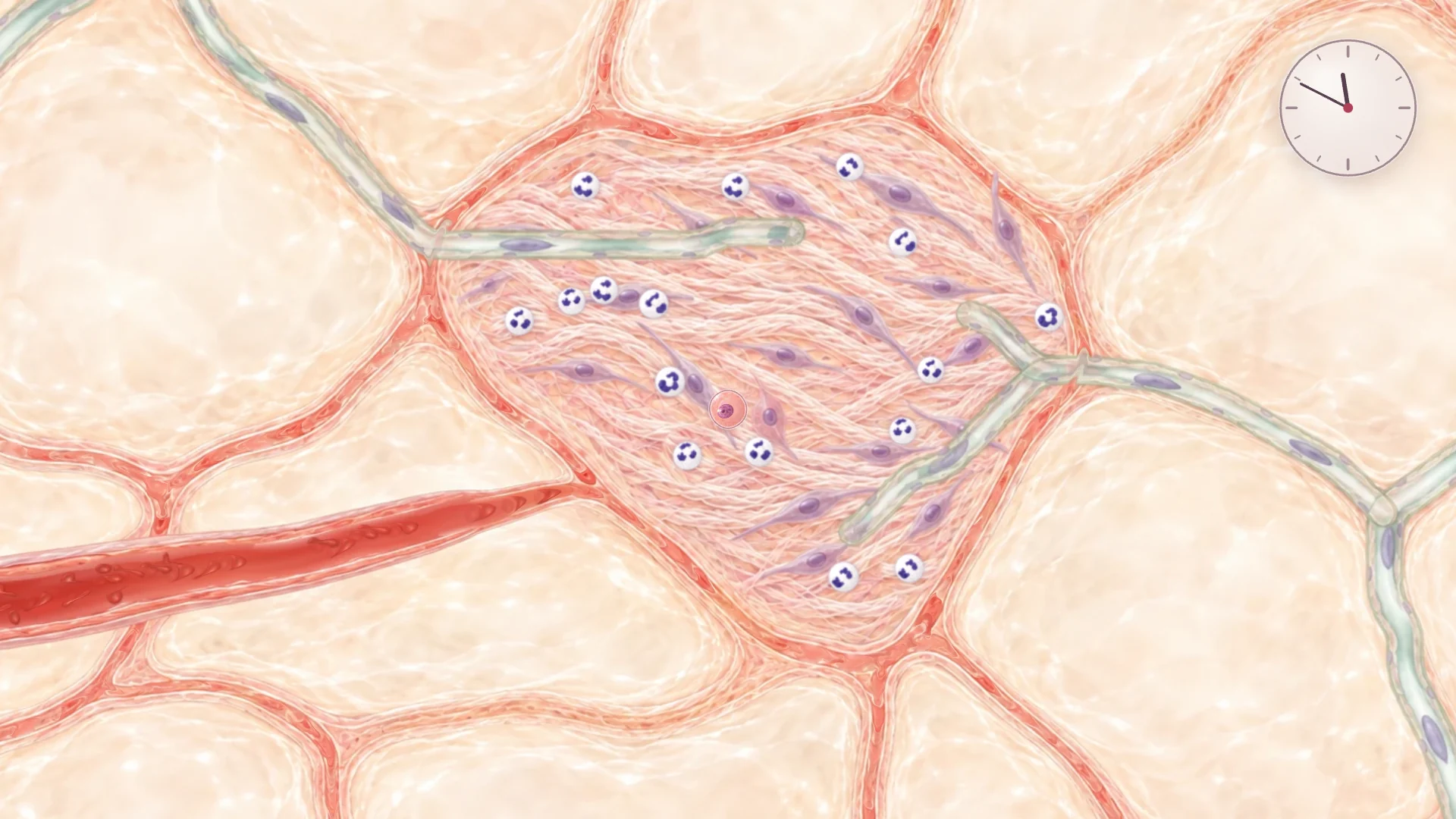
Reactivation
In some cases, under the influence of the pre-metastatic niche and through mechanisms that we do not yet fully understand, tumour cells may reactivate, proliferate and generate a new lesion.
A new lesion begins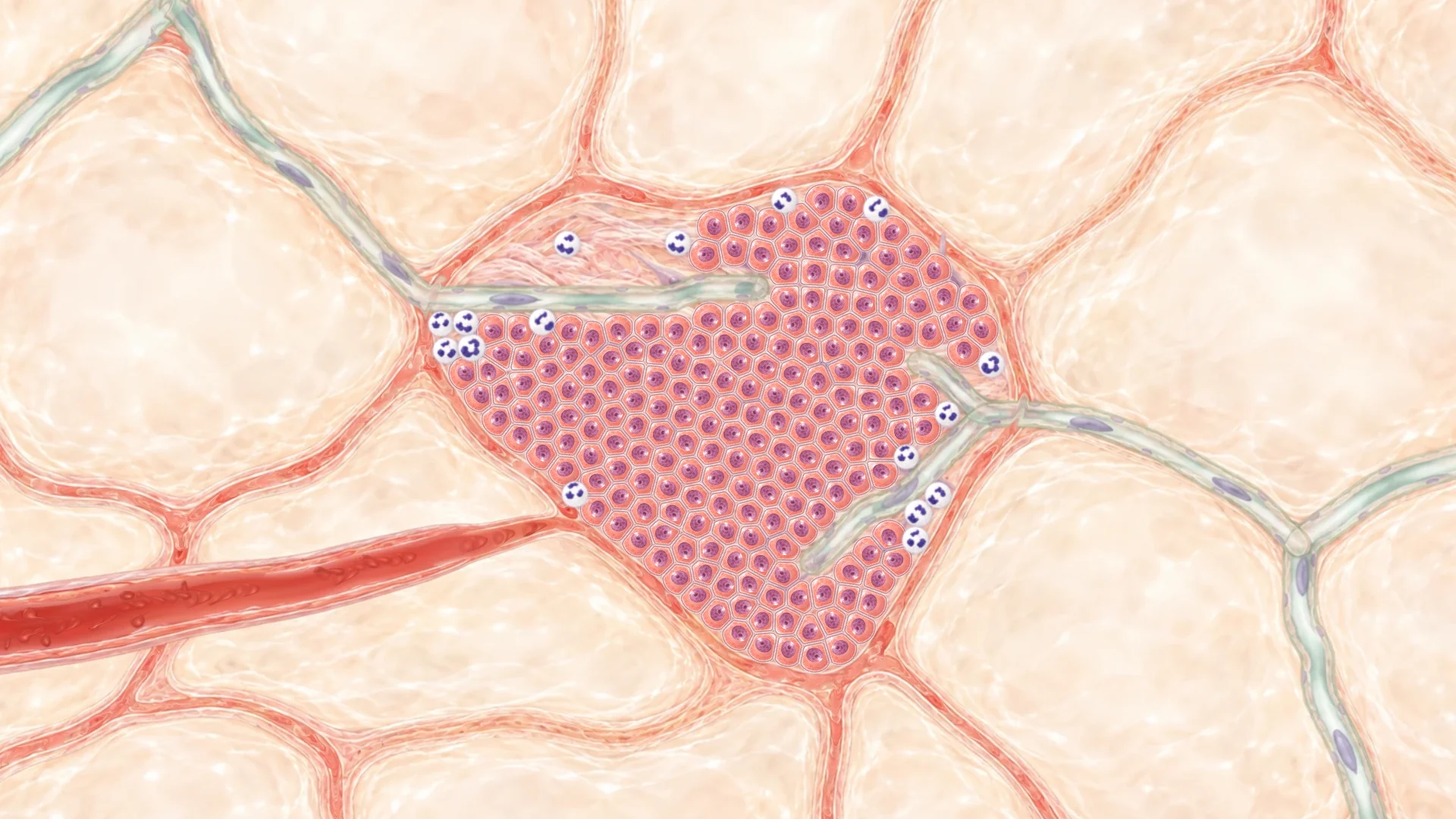
Understand in order to intervene
We study how tumours prepare future metastatic sites, how these niches protect disseminated tumour cells and how they may contribute to their reactivation and growth. We connect mechanisms, experimental models and biomarkers to understand why some cells disappear, others persist and only some eventually reactivate, and to find ways to prevent this process so that successfully treated cancers remain cured.
Research to prevent relapse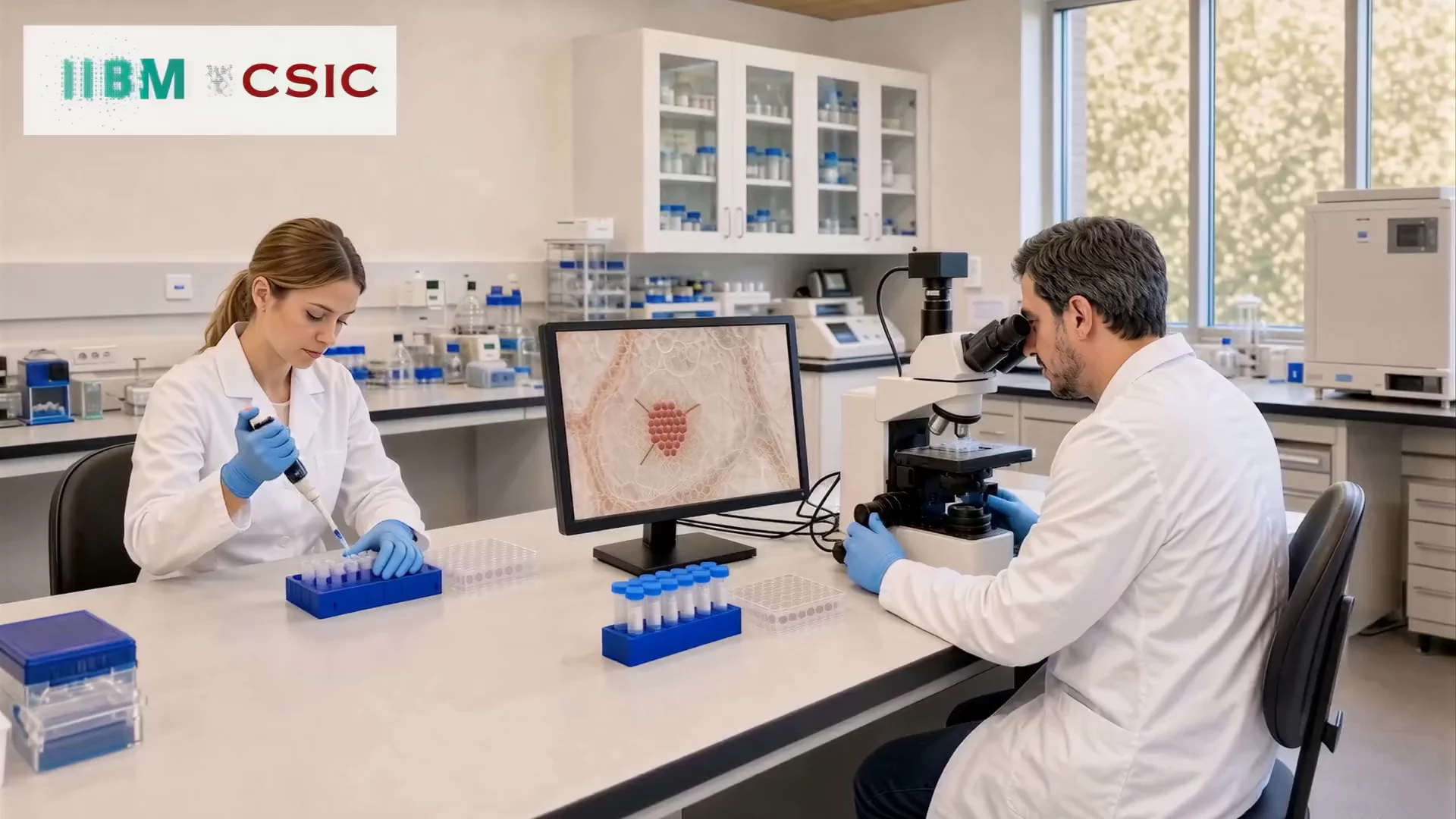
Drivers and Biomarkers of Metastasis Lab