
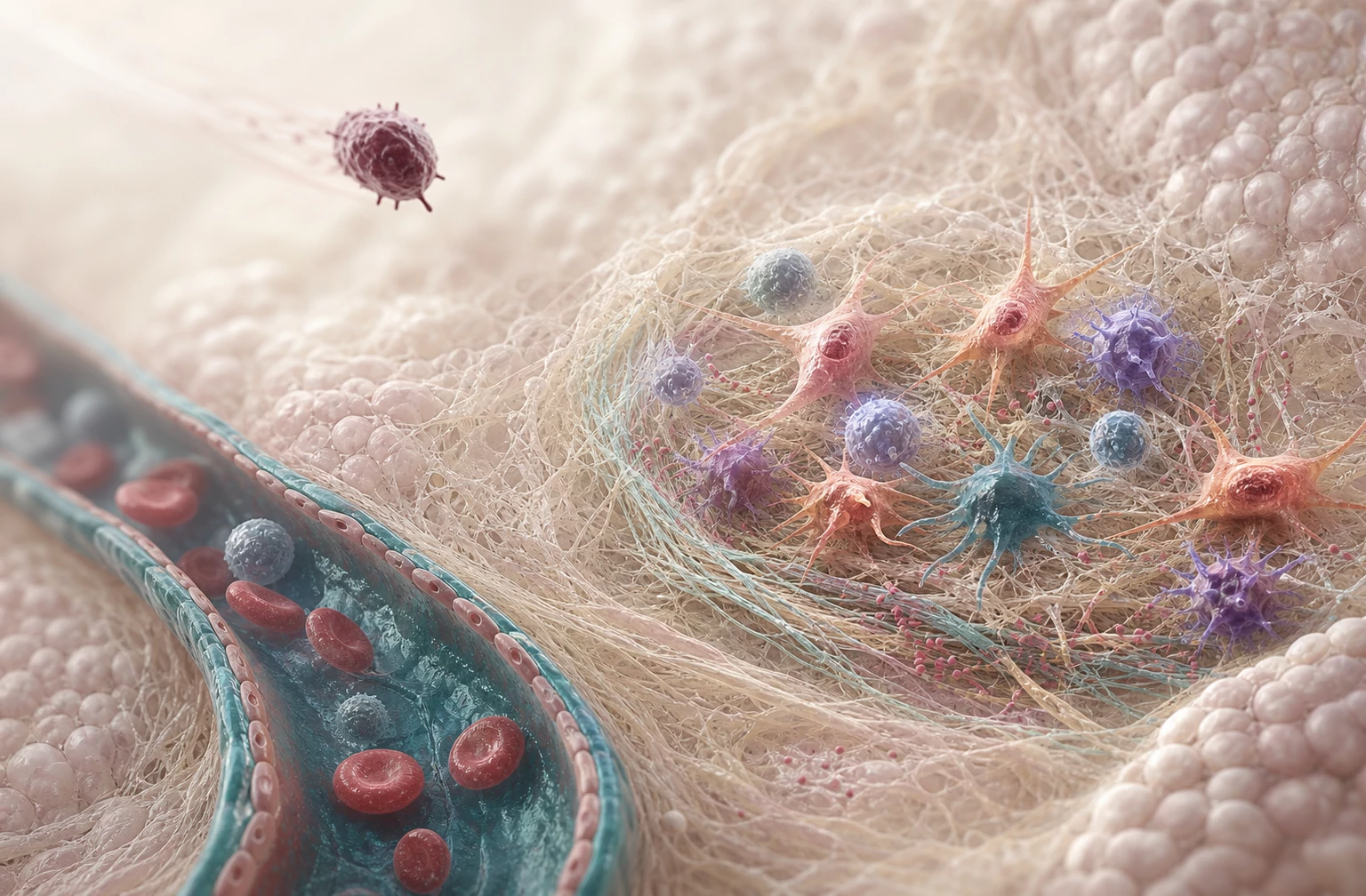
Pre-metastatic niches
We investigate how primary tumours may alter distant tissues before tumour cells arrive, and what makes particular environments more or less permissive.
The lab
We investigate the mechanisms that allow tumour cells to disseminate, adapt to other tissues, remain dormant and, in some cases, resume growth.


01
The aim of the Drivers and Biomarkers of Metastasis Lab is to identify the processes that drive metastatic progression and translate that knowledge into new opportunities for detection, monitoring and intervention.
We work primarily on melanoma and breast cancer, combining mechanistic questions with a translational perspective.
02
We study metastasis as a sequence of connected biological states.
We investigate how primary tumours may alter distant tissues before tumour cells arrive, and what makes particular environments more or less permissive.
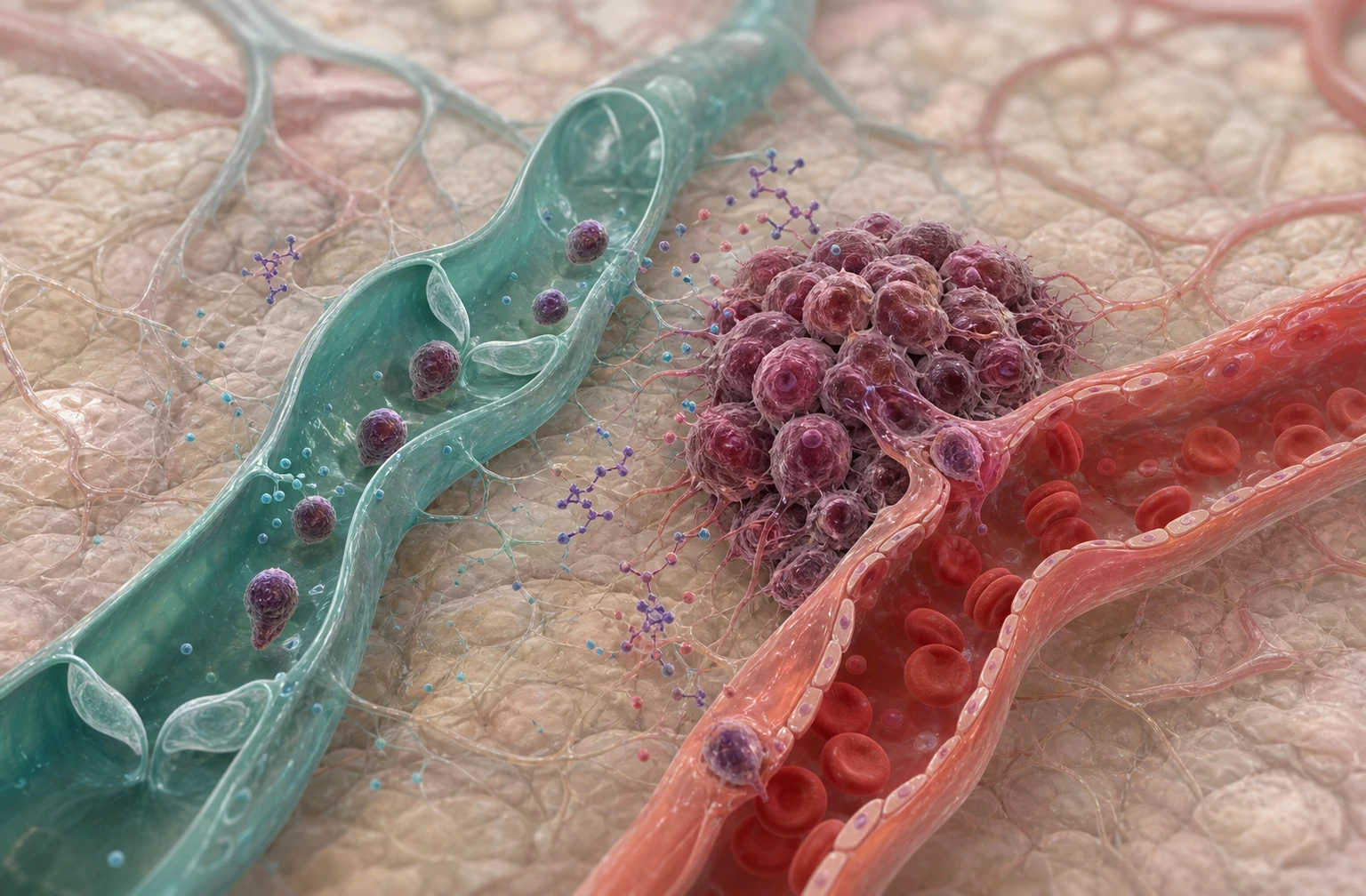
We study how lymphatic and vascular systems contribute to tumour-cell dissemination and communication between the tumour and other tissues.
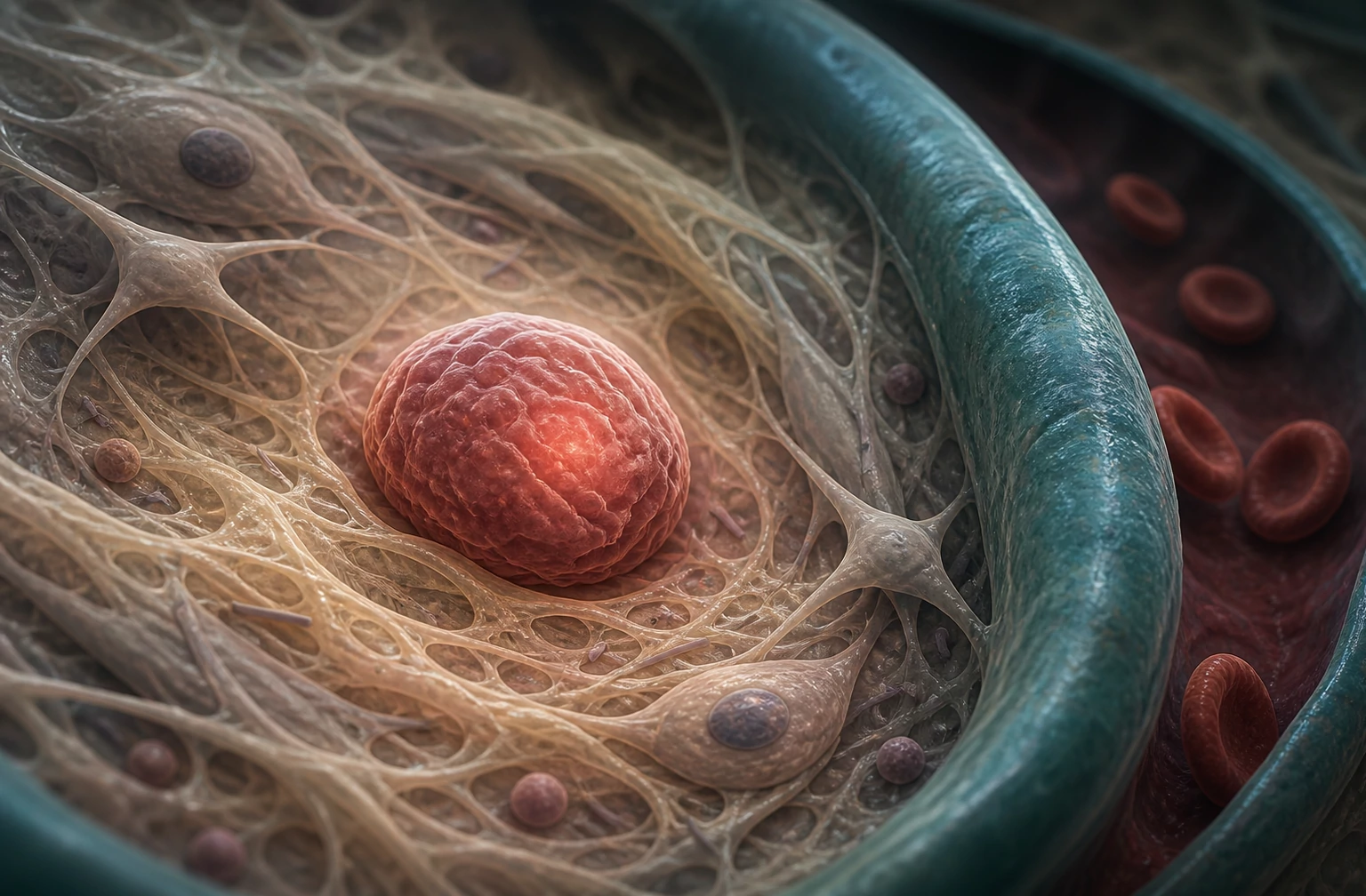
We examine how some disseminated cells survive for prolonged periods, what maintains dormancy and which conditions may favour reactivation.
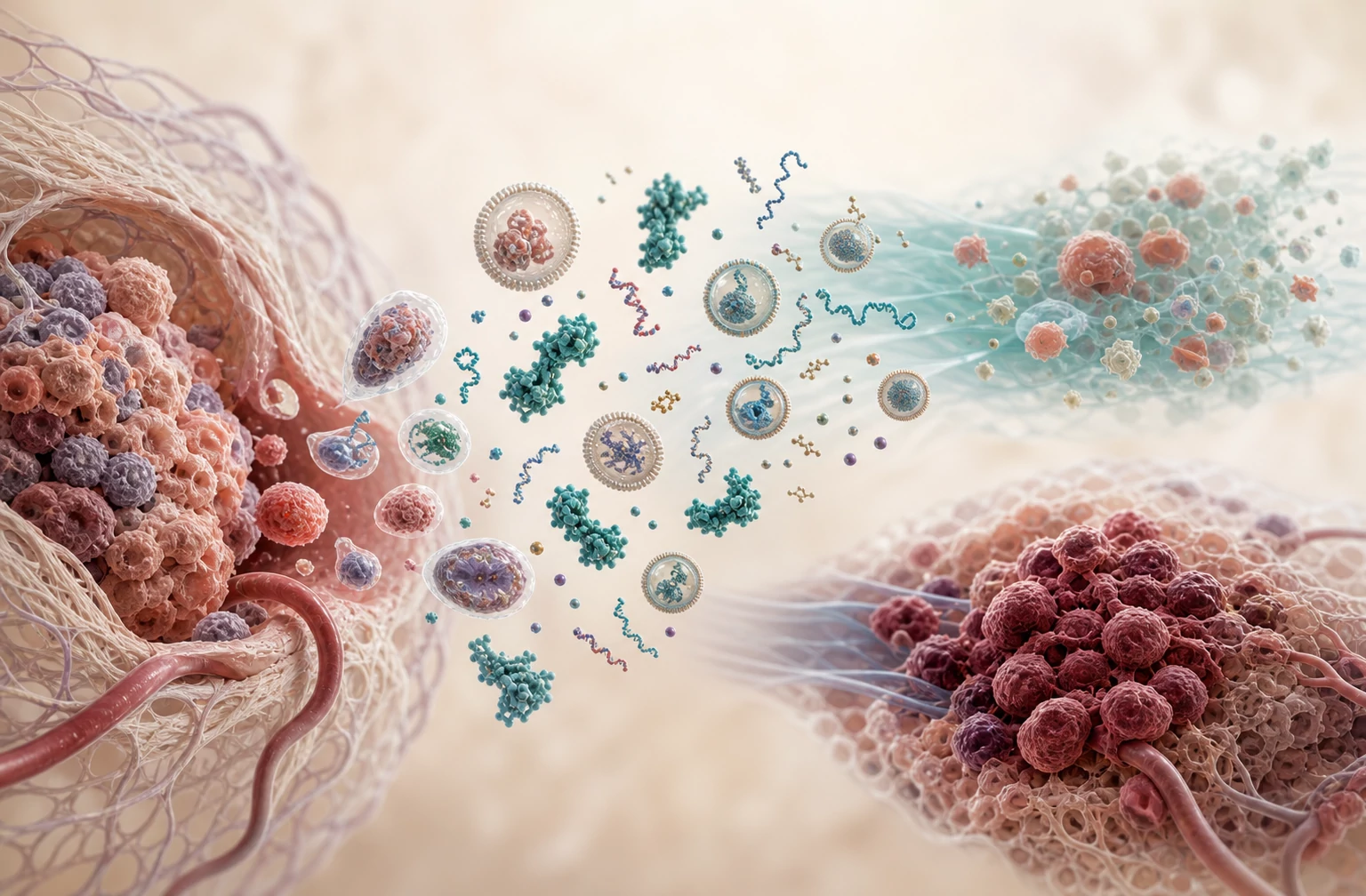
We seek markers that may help anticipate progression risk and explain resistance or response to treatment.
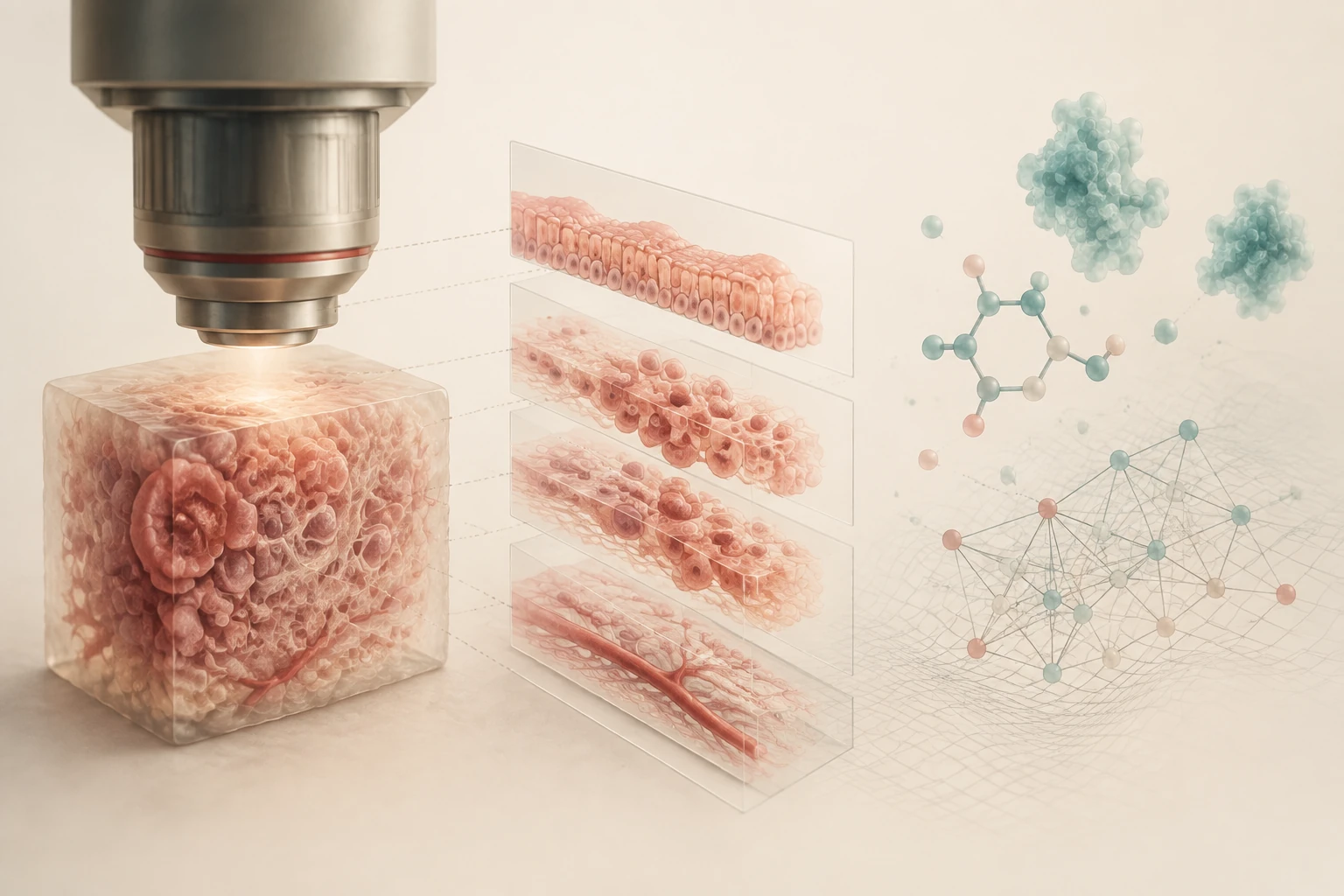
Developing our own tools is also a way of doing science. We create tools for molecular analysis and preclinical imaging to address questions arising from our metastasis research. We believe that methodological innovation opens up new ways to understand the disease and make discoveries with impact.
03
Shared research questions in a rigorous, collaborative working environment.
Tenured Scientist (Científico Titular), CSIC · Principal Investigator
Instituto de Investigaciones Biomédicas Sols-Morreale (IIBM, CSIC-UAM) · Associated Researcher at IMDEA-Food.

PhD student
Her work is within the laboratory’s lymphatic-endothelium and metastasis line.

PhD student
Her research examines how cancer cells interact with the metastatic microenvironment, with a particular interest in lymphatic vasculature, using single-cell imaging and morphodynamic analyses.
04
We present the public scope of these programmes, not results.
Examines the role of the lymphatic endothelium in the pre-metastatic niche, with a focus on melanoma, breast cancer and the lung.
In progress · This view presents no results.
Investigates how metastatic niches form and how they might be targeted therapeutically by integrating spatial and single-cell multi-omics, organ-specific 3D tumoroid models, and AI-powered data analysis. The network will train 13 doctoral candidates across academic and industry settings.
In development · This view describes project aims and training; it does not present results.

lisaR is a tool developed in R that helps us interpret gene expression data. It combines gene set enrichment analysis with LISA (LLM-Inferred Semantic Annotation), which organises results into biological categories to help us better understand the processes they reflect.
05
06
Our video presents metastasis as a dynamic sequence of dissemination, adaptation, persistence and possible reactivation.
Watch the lab video